On Springtime and The Garden of St. Francis
Talk of spring and gardens go hand in hand, and no garden this year is having more of a moment than the one created by St. Francis of Assisi, over eight centuries ago. The year-long jubilee celebration that marks the 800th anniversary of the saint’s death in 1226, offers a wonderful opportunity to reflect on an extraordinary individual and the legacy of his life’s work. As founder and primary caretaker of Luretík, I find Francis’ thoughts on gardens (gleaned on a recent trip to Florence), to be both timely and insightful, so I’d like to share them with you.
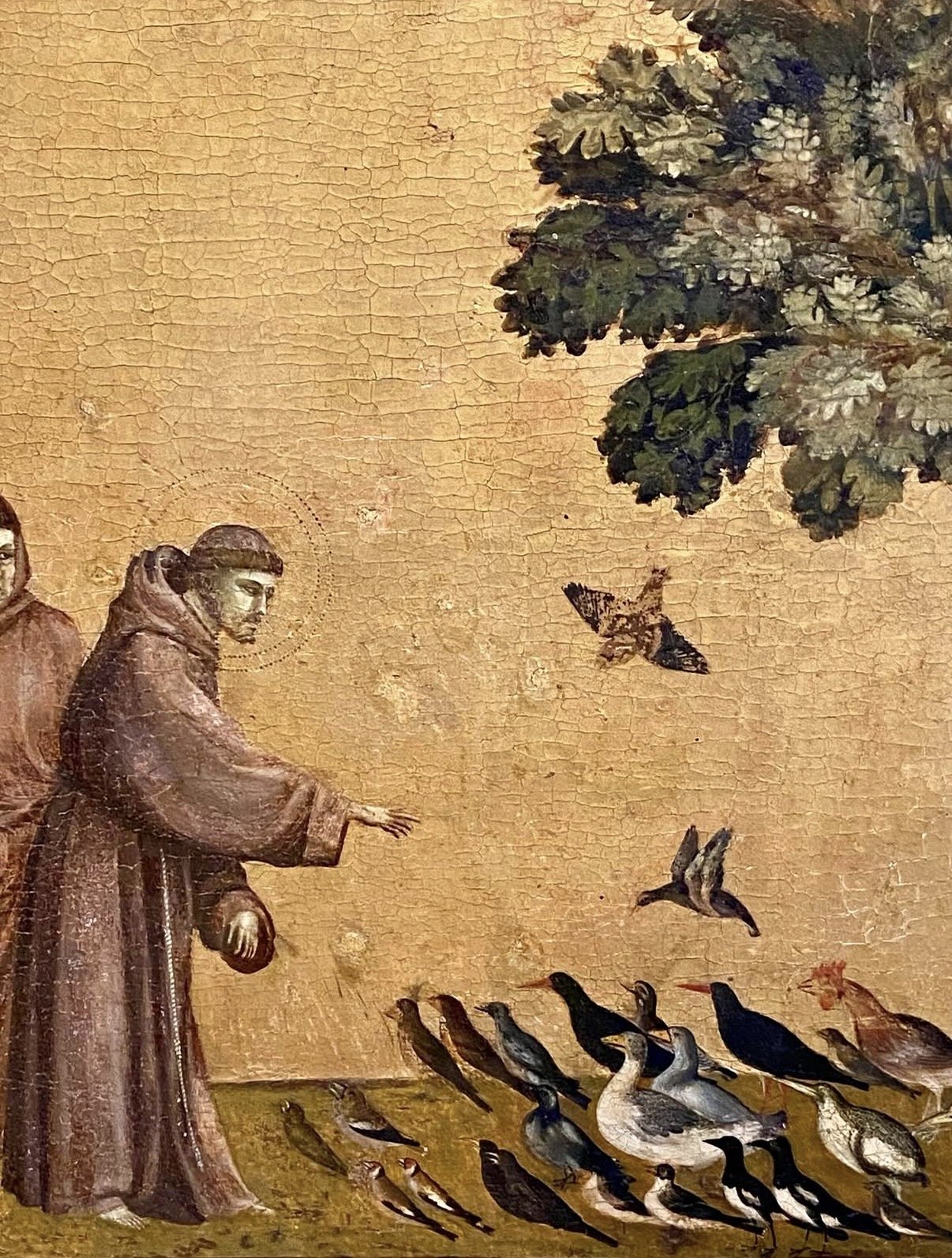
St. Francis of Assisi (1181–1226) — founder of the Franciscan order, advocate for the poor, and one of the most radical figures of the medieval Church.
Many of us are at least peripherally acquainted with the itinerant Francis – his love of nature and animals, his vow of poverty, and above all his message of peace. Francis’ vision of what true peace entails, however, remains unique in the litany of saints in that it embraces not just relations between humans but the whole of creation. Historical documentation tells us that Francis’ garden was a place of great beauty and spirituality. And how he chose to plant it offers valuable lessons to any of us who tend gardens, searching for better ways to interpret the complex relationship between humans and nature.
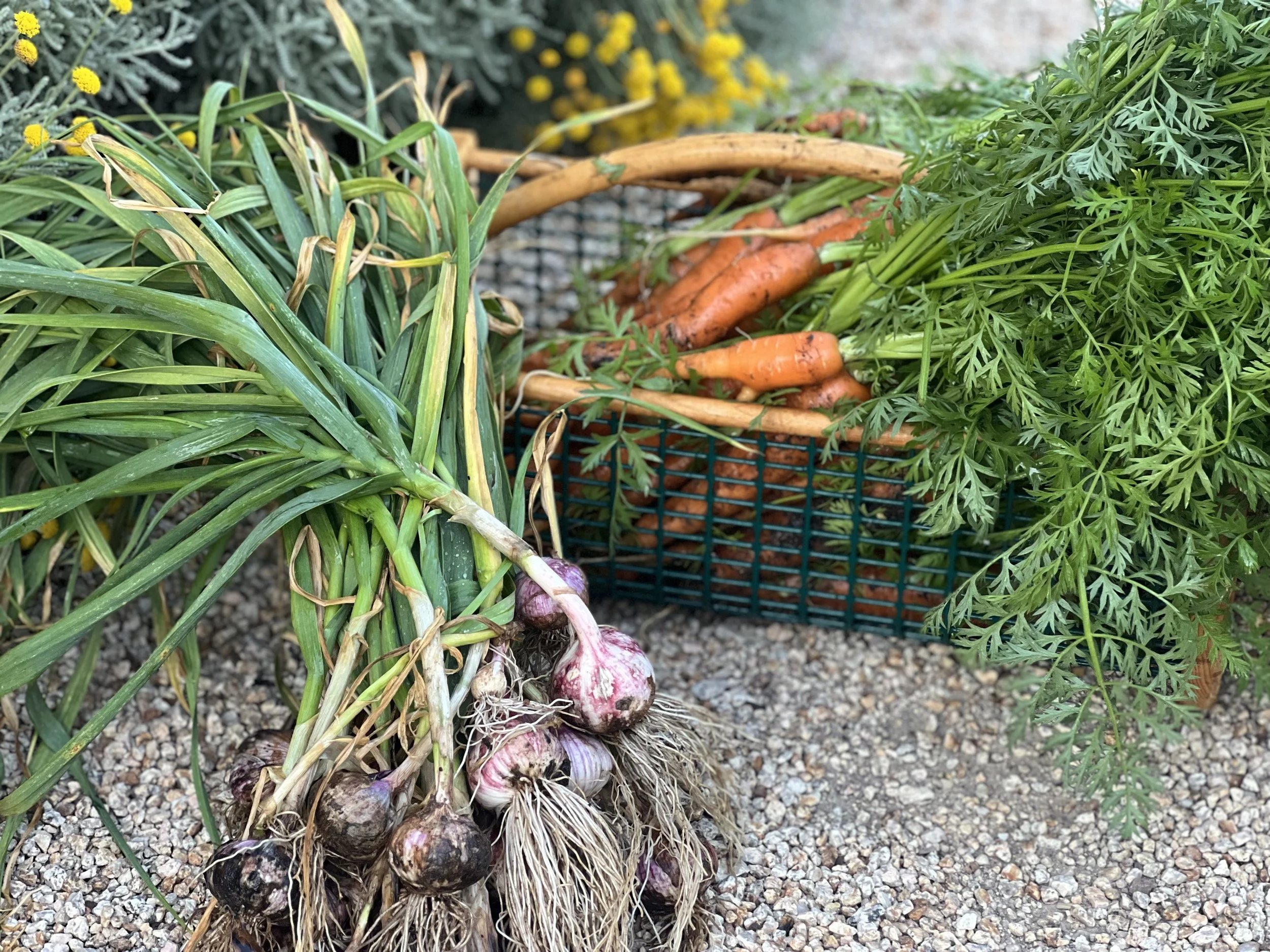
Francis wanted the garden to provide for human needs, and so he cultivated vegetables and fruits for consumption as well as medicinal herbs to treat the community. Yet, he also recognized the limits of human intervention in the larger natural order, understanding that the land, left free to produce, would decide for itself. Today, in a quiet corner behind the majestic Church of Santa Croce in Florence, the Franciscans have recreated their Patron’s garden. The carefully tended plot of vegetables, herbs and aromatics, are balanced by vegetation that flourishes freely at its boundaries. By way of explanation, the friars note that “The uncultivated area symbolized faith in the gift of creation, a willingness to rely on God’s generosity rather than on one’s own ability to control and manipulate the earth.” The garden, in other words, is an invitation to rediscover man in balance with nature; an invitation to believe in possibilities that take root without the goal of efficiency and results.
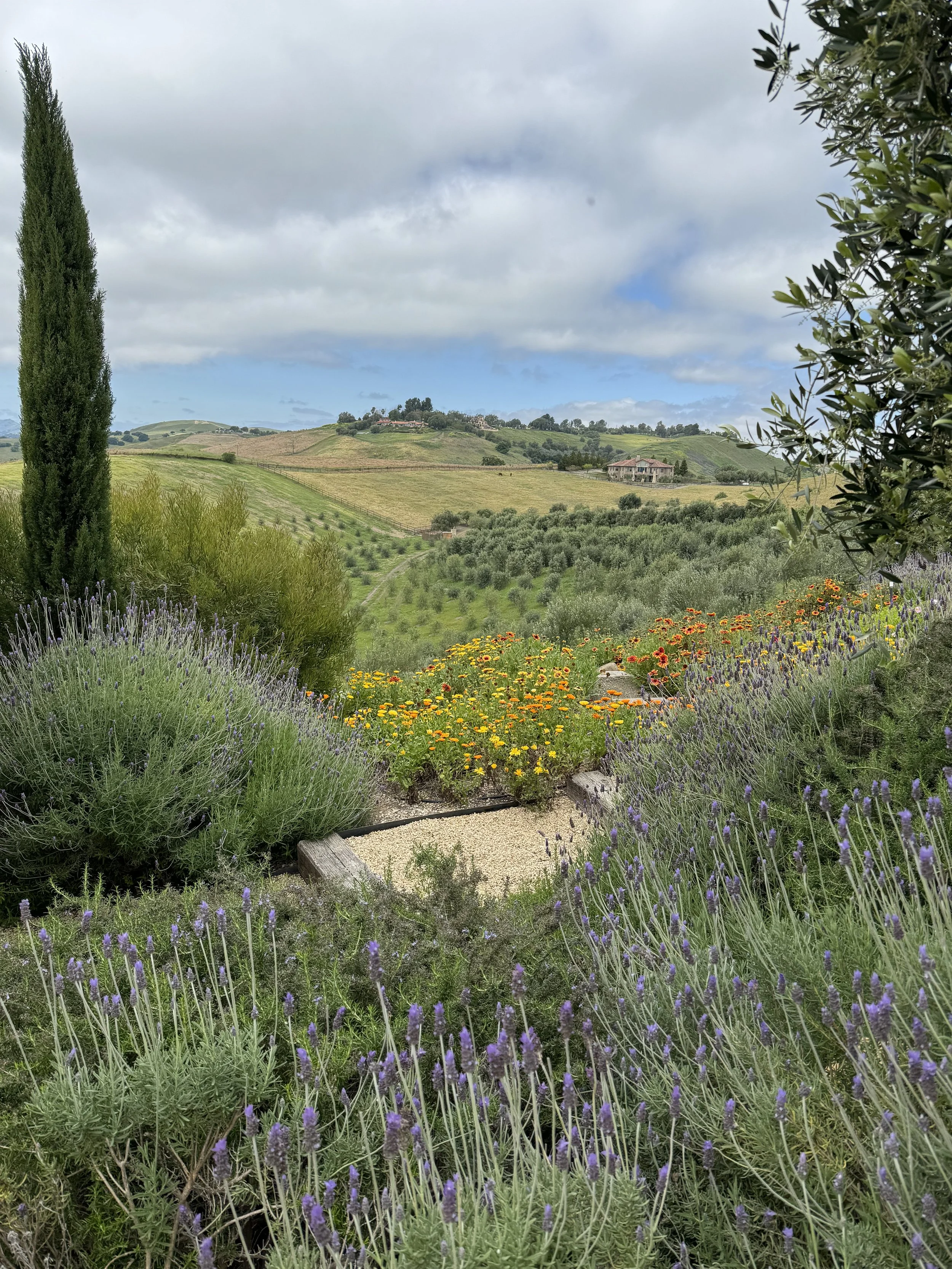
I sensed this dichotomy the minute I stood on the hill that would become Luretik’s olive grove, looking out onto sweeping views of the Santa Ynez Valley. What would our mark on this land look like amidst so much natural beauty? Could we preserve the tranquility the land exuded in that moment and still leave a positive mark? How would we integrate the work of human hands with that of the Creator?
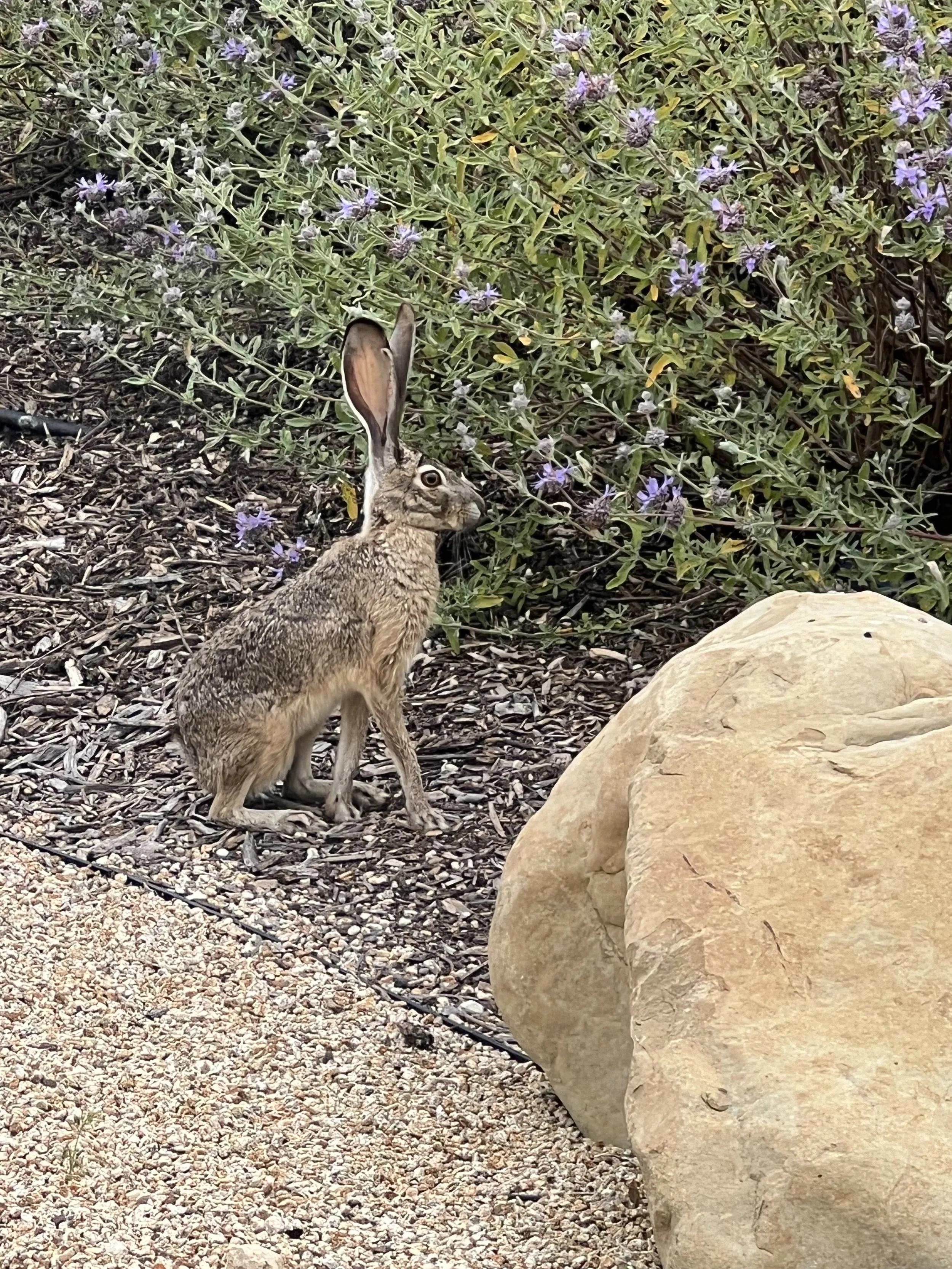
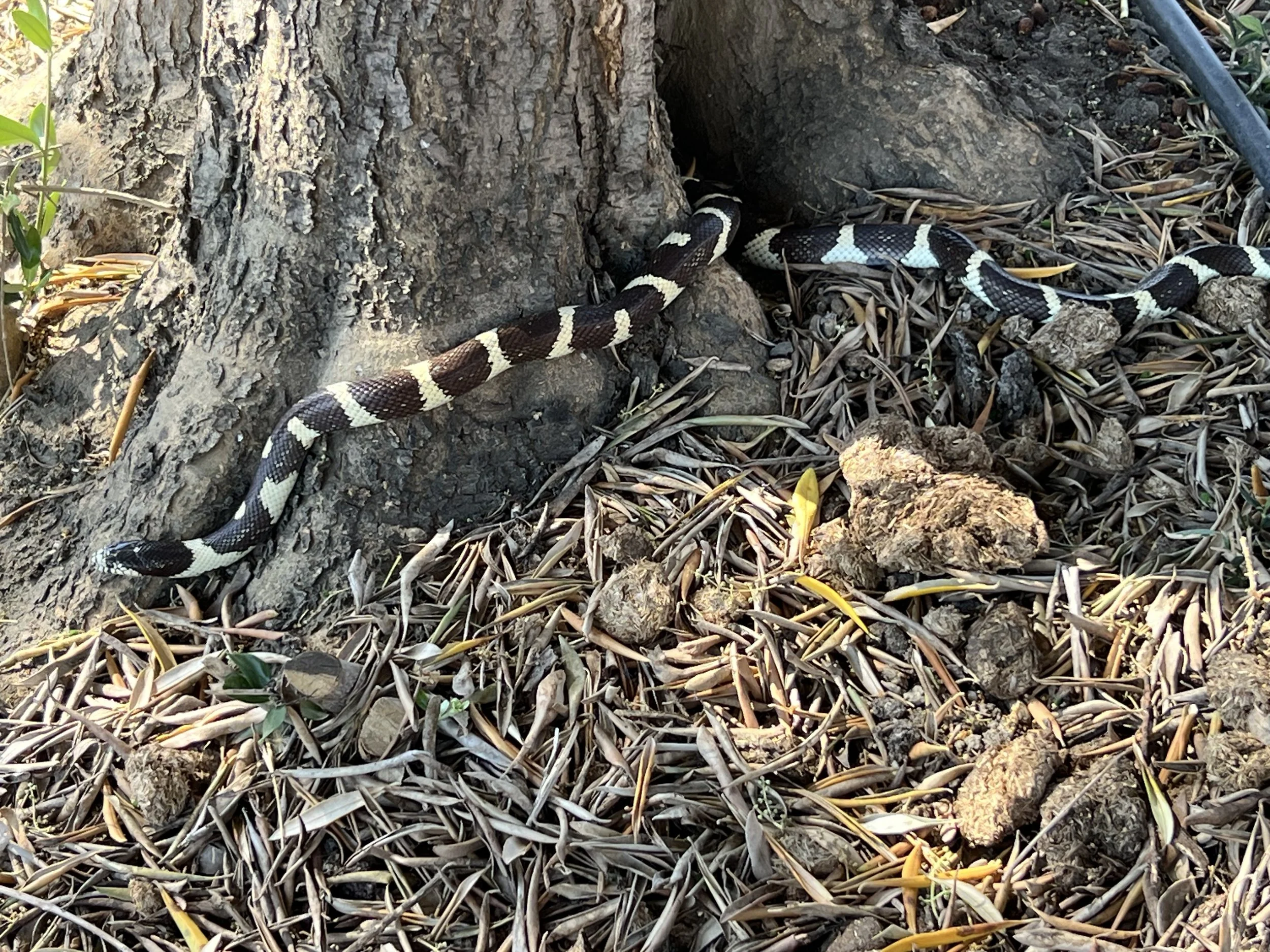
This spring marks our own anniversary of sorts, exactly 10 years since we planted our first fifty olive trees at Luretík. And I like to believe that what we have done here would please St. Francis. Our grove (the efficient results-oriented effort that sustains us with wonderful olive oil) is only part of a far larger garden, a Franciscan “communal” home of sorts to other forms of life, from native plants and grasses to the insects, birds and bees they attract. Wildlife abounds. As my husband constantly reminds me, everything that inhabits this space has a job to do no different than we do, and so I have learned not only to respect that work, but - like Francis - to stand in awe of it. The interconnection between humans and the environment was central to Francis’ guiding philosophy; the old idea of diversity in the garden now suddenly made new.
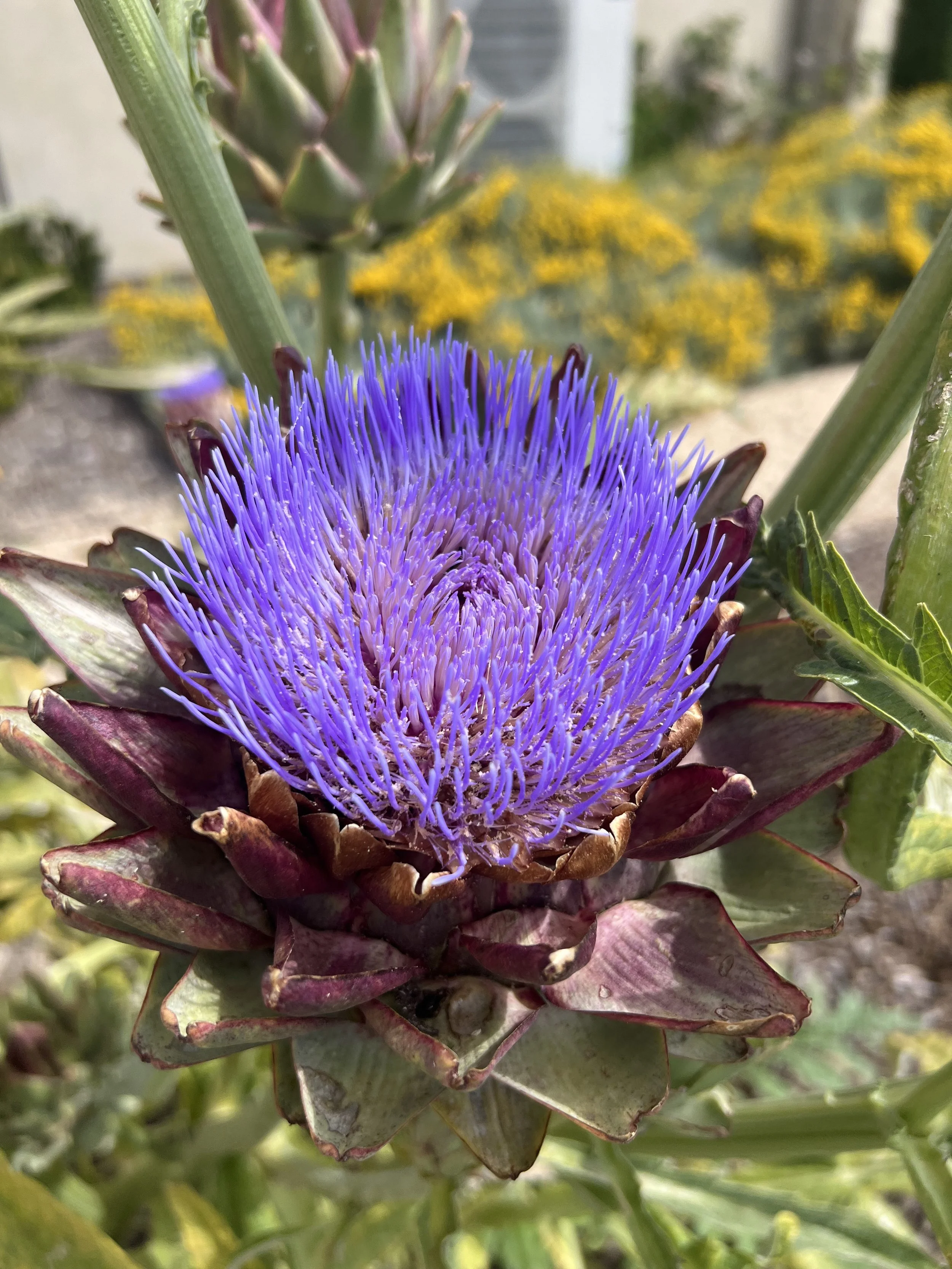
When I am in the grove, transfixed by so much beauty, I’m reminded of Saint Francis’ deeper message, noted alongside the patch of garden behind Santa Croce, that “encourages us to hold on to a part of the garden within ourselves that is not cultivated, not guided by the rules of efficiency and results, but is open to contemplation, harmony and ultimately peace.”