The Art of Antipasti: A Summer Tradition Worth Reviving
Appetizers have a tradition spanning hundreds of years. Dating back to ancient Rome, banquets began with an endless array of hot and cold dishes, served with great opulence and creativity. Their arrival was generally greeted with enthusiastic applause from the guests, confirming that the very idea of an appetizer has something inherently attractive and festive about it.
A Dish Reserved for Celebration
Since ancient times, these varied dishes have had an anticipatory role. Preceding the main courses (from the Latin ante pastum or "before the meal") they not only stimulate the appetite but reveal the very style of the meal that will follow. The French call appetizers hors d'œuvre, literally "outside the work - before the “main event,” rightly regarding these dishes as true culinary creations or works of art.
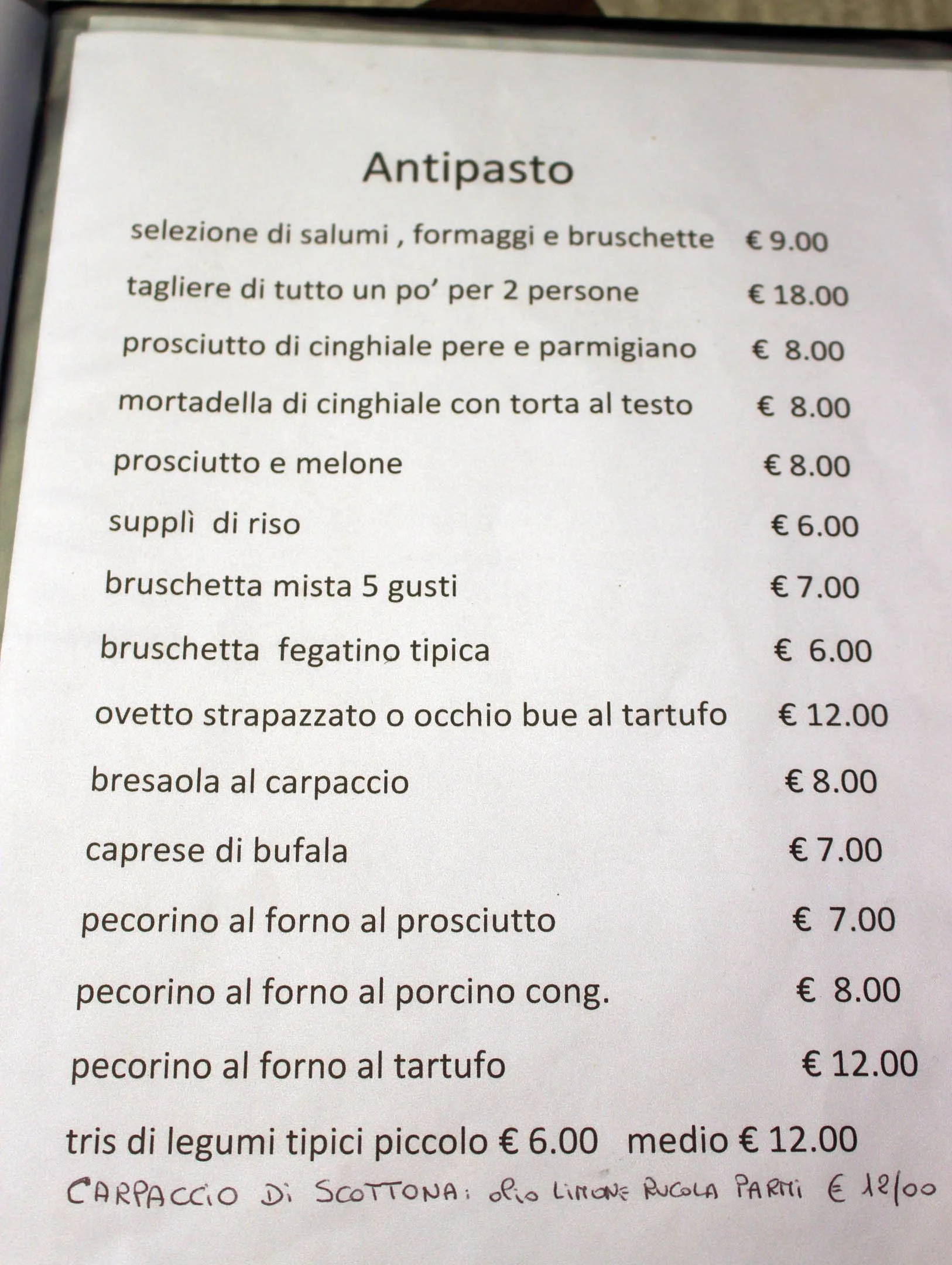
The Italian approach to appetizers is less elevated and definitely more relaxed than their French counterpart. For decades, the category of antipasti was absent from more modest regional menus in local trattorie where printed menus were considered an unnecessary expense. The day’s 4-5 offerings were simply listed on a chalkboard under the heading Piatti del Giorno (Today’s Dishes). At most, offerings appeared under the traditional categories of primi (first courses of pasta, risotto, soup); secondi (second courses of meat, fowl, fish); and contorni (vegetables). Antipasti - cured meats, olives, cheeses, brined or fried vegetables, and savory bite size regional favorites - appeared only on holiday and special occasion tables, remaining faithful to the concept of origin. This was the case in my own home growing up, when antipasti showed up on celebratory tables that featured special dishes in my grandfather’s repertoire.
In the decades following Italy’s economic boom in the 1960’s, the status of antipasti gradually changed, and a wide selection of both traditional and innovative antipasti made their way onto local restaurant menus. Today antipasti enjoy immense popularity, particularly during aperitivo or happy hour in cities and towns across all parts of Italy.
Antipasti Belong on Your Summer Table
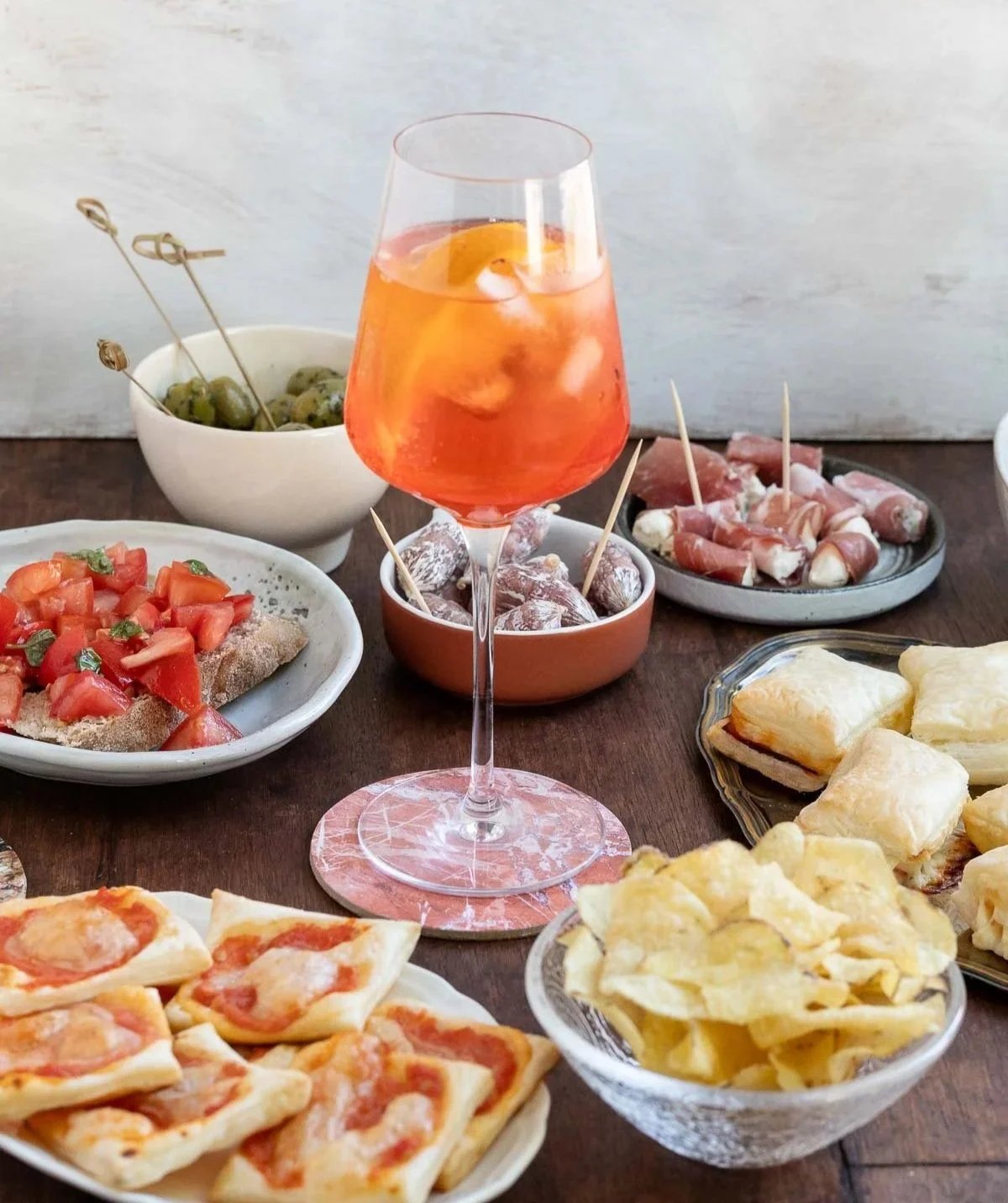
With summer now in full swing, serving an array of antipasti for a light supper al fresco seems like a particularly good idea. And these small plates need not be elaborate creations that require hours in the kitchen - most take minutes, not hours, and the best of them let a handful of good ingredients do the talking. Set out three or four together, pour something cold, and you have a meal that feels generous without demanding much of the cook. Here are four favorites to build a summer a summer spread:
Prosciutto e Melone
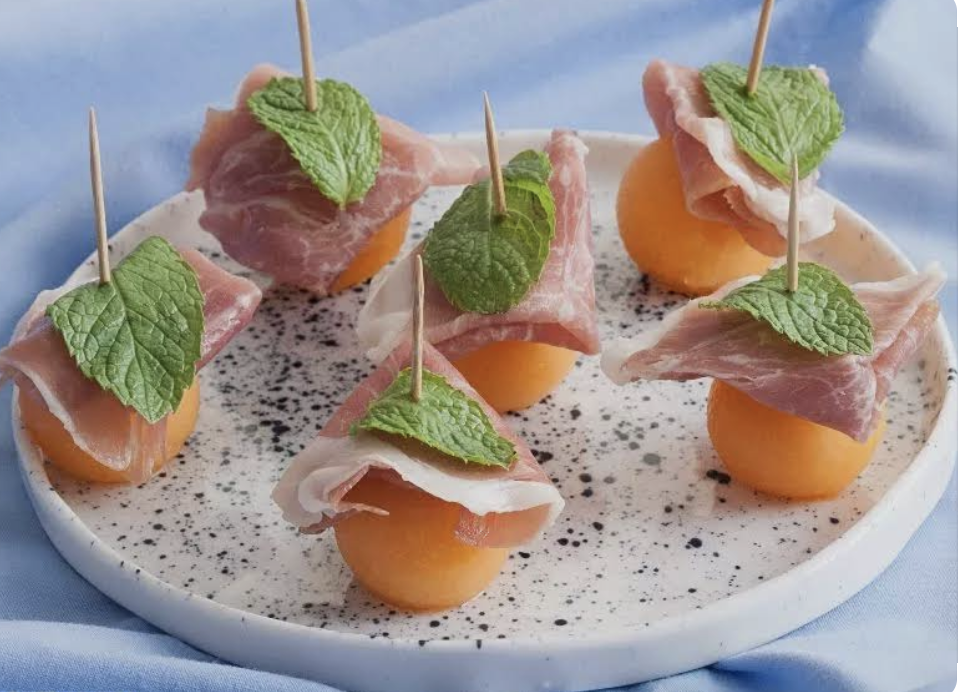
The most classic of all Italian antipasti remains Prosciutto e melone, a perennial favorite. Whether using prosciutto di Parma, prosciutto San Daniele, or the Spanish Jamón Ibérico, the saltiness of the cured ham and sweetness of cool cantaloupe is a study in contrast that will delight any palate. It's a welcome, refreshing bite in the warmest of weather, and it asks almost nothing of you: chill the melon well, make sure the prosciutto comes to room temperature before serving, and let the two do the rest.
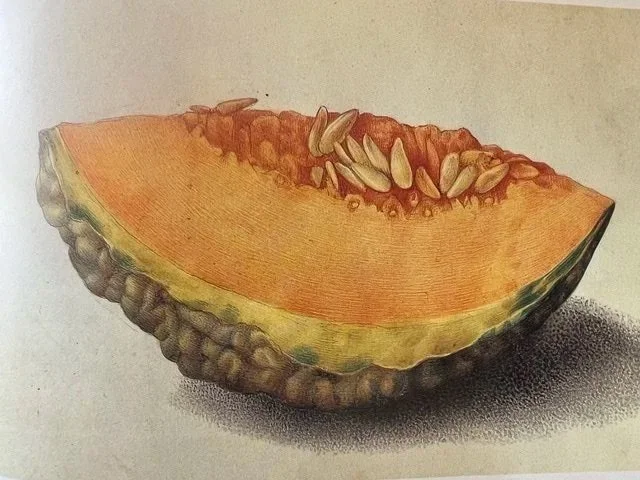
“Slice of Melon” by Renaissance painter Giovanna Garzoni
Bruschetta al Pomodoro
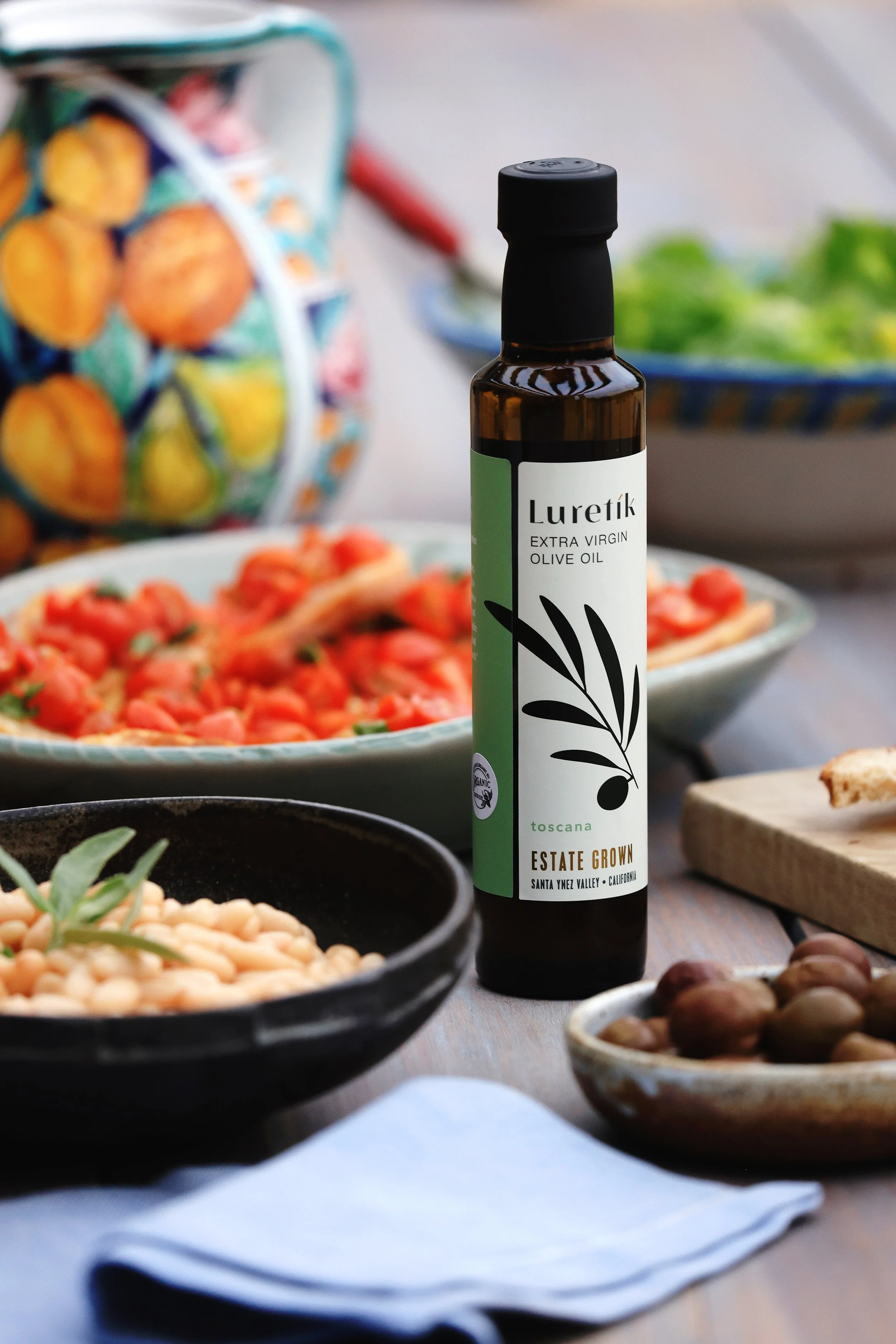
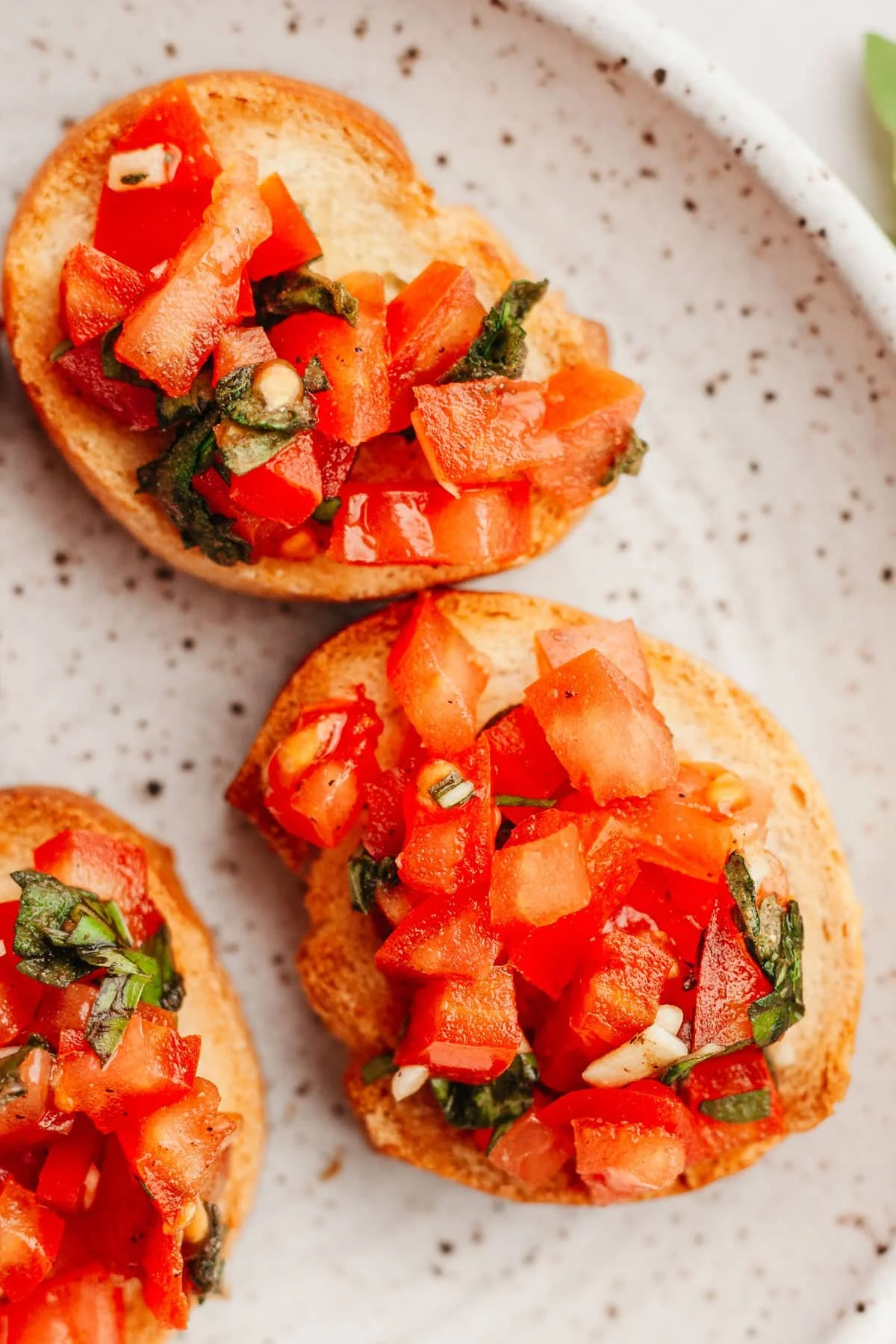
Another summer staple is a simple bruschetta, built on a base of thick slices of fresh Italian or French bread, rubbed ever so lightly with a clove of garlic, then toasted on the grill until the edges char just slightly. At this juncture, the possibilities for topping it are limitless, but my favorites remain the classics: the first, a simple generous pouring of a high-quality extra virgin olive oil over the toasted bread. The crispy, porous texture soaks up the oil's aromatics, while the heat of the toast warms the oil, releasing wonderful peppery and grassy notes on the palate. My second favorite option is chopped, garden-fresh tomatoes at the peak of ripeness, finished with torn basil, a pinch of sea salt, and a generous pour of fruity extra virgin olive oil. The bread should still have some crunch to it under the soft, juicy tomato — that contrast is the whole point!
Marinated Olives and Caponata
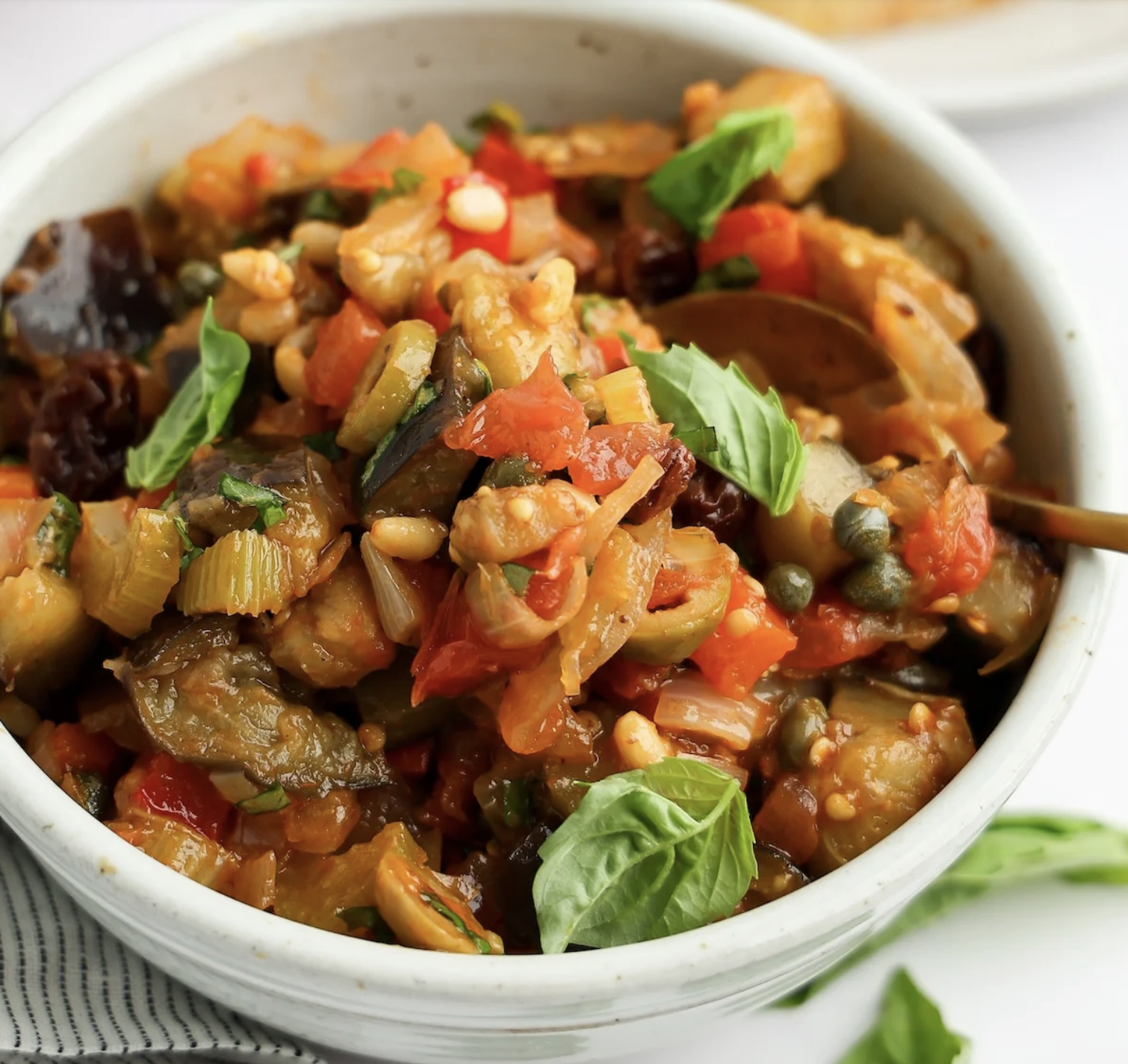
For something that can be prepared well ahead of time, a bowl of olives marinated with orange zest, a bruised garlic clove, and a sprig of rosemary needs only time in the refrigerator to come together. Alongside it, a spoonful of caponata — Sicily's sweet-and-sour eggplant relish, brightened with capers, olives, and a touch of vinegar — brings real depth to the table for very little active effort. Both keep well for days, which makes them ideal for entertaining. If time is tight, both excellent brined olives and caponata can be purchased at specialty food markets.
Fiori di Zucca Fritti
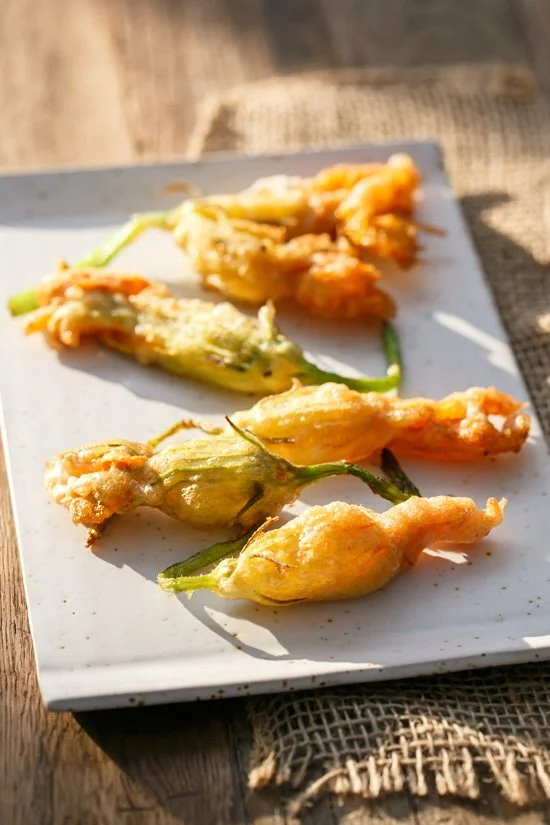
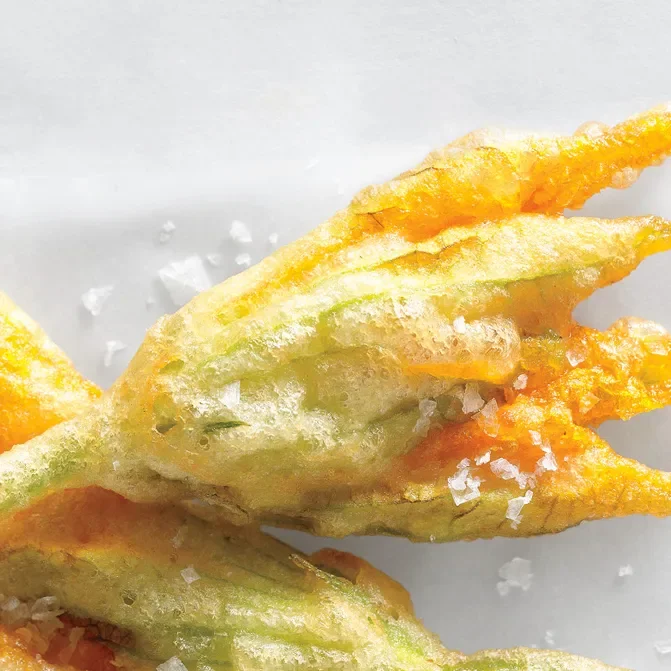
Finally, for those more ambitious among you when it comes to summer food preparation, I would be remiss not to mention fiori di zucca fritti — deep-fried zucchini blossoms. I have come to prize the intensely yellow zucchini flower more than the actual vegetable itself, as this delicacy can only be had for a few short weeks each summer. If picked early in the morning, before they have fully opened, the flowers need only be gently rinsed, layered between slightly damp paper towels, and stored in an unsealed plastic bag in the refrigerator until you're ready to fry.
Yes, their preparation requires standing over a pot of hot oil, but the execution itself is brief: dip, fry, drain, salt. Your guests will marvel at the bites that emerge - crisp on the outside, tender and faintly sweet within, putting any other fried appetizer to shame.
Setting the Table
What makes antipasti work as a summer meal isn't any single dish — it's the mix. Something cool next to something warm, something you made a day ahead next to something that comes together in the last ten minutes before guests arrive. Lay it all out on one long table, pour the wine, and let people serve themselves. That, more than any recipe, is what my grandfather's table was really about — and it's a tradition worth setting a place for again this summer.